My book on cat genetics (Robinson’s) tells me that there are three kinds of white spotting. Actually, it includes the all-white cat within cats described as having white spotting but, in this article, I will describe the following three types, (a) piebald spotting (b) gloving and (c) brisket spots and lockets. The pure white …
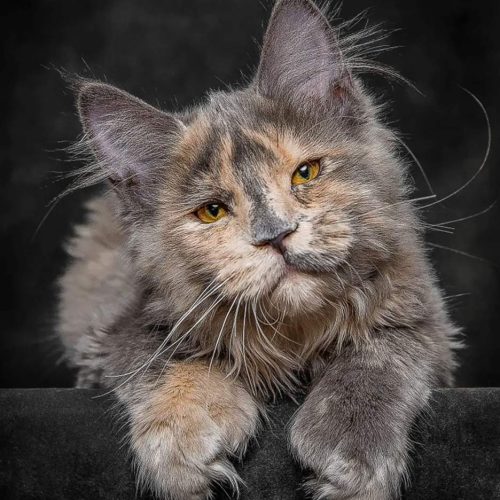
You will find various statistics on the rarity of tortoiseshell cats both in books and on the internet including in equally rare studies! The rarity factor varies as widely as 1 in 200 (Dr Desmond Morris in Cat World) to 1 in 400,000 by the Daily Mail! Where did they get that figure from? …
UK: This is a strange topic and a short one post but I strongly sense that the contents are true and useful to those who question the status quo and like to try new things. You may have heard of Mathew Parris. He is a longstanding Times journalist and a former member of Parliament. …
I have written about white and albino tigers before in separate articles. This addresses one issue: the difference between them as the internet seems to be confused as I am seeing white tigers listed under albino tigers. In terms of appearance there is a distinct difference between a white tiger and an albino tiger. …
You know that your cat likes warmth. The corollary is that he dislikes the cold. You know that your cat likes to lie in a sunny patch on the floor by the window. Or a warm patch on the kitchen floor because you have underfloor heating (see picture below). You know that your cat …
Fever coat can affect cats, rabbits and dogs as I understand it. It is also called “stress coat”. It should not be confused with “powder coat” (possibly due to the caramel gene). It is an abnormality in the coat of a new-born kitten in which the tips of the hair strands lack pigmentation and …
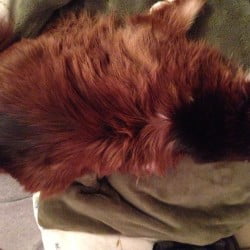
In the unlikely event that your black cat has turned a rusty red in normal lighting conditions, there is a possible cure: change his food. Food can alter the appearance of a cat, specifically the colour of his coat. You may have heard of this. It is an interesting topic but, if I am …
As you might well imagine, the reason why tortoiseshell cats are nearly always female is to do with the genetics and how the genes that dictate the coat colour and pattern are linked to the sex of the cat. Female mammals have 2 X chromosomes while males have one X and one Y chromosome. …
Note: Some older videos on this page were hosted on Vimeo. That account has now been retired, so a few video blocks may appear blank. Thanks for understanding — there’s still plenty of cat content to enjoy!