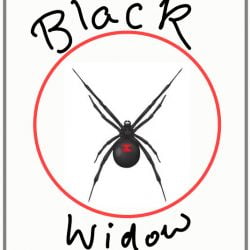
If you know for sure that a black widow spider has bitten your cat you have to take her to a veterinarian as an emergency i.e. within the next 30 minutes. The bites of black widow (and brown recluse) spiders are toxic to animals. The cat will feel a sharp pain at the site …
Read more
NEWS AND COMMENT-SYDNEY, AUSTRALIA: The first point to make is that although huntsman spiders use venom to immobilise prey and can reach up to 5 inches across, based upon my careful research they do not cause harm to domestic cats who kill them and perhaps sometimes devour them. If a cat devours a huntsman …
Read more
Cats are not frightened of spiders because when they are kittens their mother tells them that spiders are not scary animals but a prey animal to be attacked and eaten. In contrast, when adult humans are young children, they are taught by their parents that spiders are scary insects to be avoided because they …
Read more
Huntsman spiders are common in Australia. They are very large and able to inflict a painful bite resulting in local swelling. Their bites can cause headaches, nausea, vomiting and an irregular pulse. The Huntsman spider is notorious for taking up residence between a car’s sun visor and the ceiling. Although they live in the …
Read more
Yes, it is perfectly okay for domestic cats to eat flies, spiders and bugs of all kinds but see the caveat below. Wasps and bees are a problem because they can get stung. But it is completely natural for domestic cats to consider flies and spiders as prey. The insatiable curiosity and drive to …
Read more
Yes, cats can get bitten by brown recluses spiders in the USA where this poisonous spider is found (see map). In fact, domestic and feral cats are (1) curious and excellent predators and (2) insects are on their list of prey items. This means that they are at risk of being bitten by small, …
Read more
Yes, black widow spiders can kill cats. The stings of black widow, brown recluse spiders and tarantulas are toxic to animals. The bitten cat will feel a sharp pain at the site of the sting. Later the cat may develop labored breathing, fever, chills and excitability. He may then go into shock and seizures …
Read more
Note: Some older videos on this page were hosted on Vimeo. That account has now been retired, so a few video blocks may appear blank. Thanks for understanding — there’s still plenty of cat content to enjoy!