I have taken the title from the Catster website as it troubles me because if a cat isn’t eating, they are not acting normally. The title doesn’t make sense. It is, I believe, asking why a cat is behaving normally except for one aspect of their behaviour namely eating. What might cause this? Stress …
Before I dip into the pros and cons of adopting an old cat from a shelter, I would like to briefly mention a story on social media about a woman (Sarah W) who adopted an old cat who suffered from chronic kidney disease. She knew that he had no more than about 12 months …
Domestic cats are living longer as is the case for humans due to advances in medical treatments. Studies on older cats looking at radiographs revealed that 90% of them over the age of 12 had evidence of degenerative joint disease. Osteoarthritis is under-diagnosed at veterinary clinics and it is extremely common in older cats …
The Infographic says what I want to say on this but I can add a little bit of detail in these words. The first point that comes to mind is that for indoor/outdoor cats who go to the toilet outside it may be necessary at some stage during the autumnal years of their elderly …
I can think of four ways that domestic cat fur changes with age, two of which are caused indirectly. I will start with one example. There is an overlap between cats and humans on how ageing affects hair. Matting in older cats due to neglected self-grooming (autogrooming) We know that old cats self-groom less …
As domestic cats are living longer thanks to better nutrition and veterinary care together with better educated cat caregivers, there are going to be more elderly cats requiring specialist care from their human caregiver. This page is in two parts as it has been updated, upgraded, checked and added-to as at January 9, 2022, …
Yes, normally a domestic cat’s meow will change with age. We can expect it because anatomically speaking the domestic cat is very similar to humans and we know that the human voice changes in old age. I am of the firm belief that the same changes and the same reasons apply to domestic cats. …
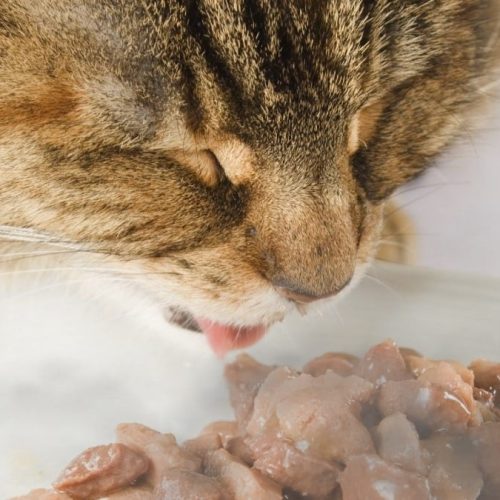
A scientific study confirms that ageing cats, over seven-years-of-age, prefer warmed up wet food and particularly wet food at 37°C (98.6°F). Like many people, I know that warming wet cat food makes it more palatable to all cats and particularly ageing cats who may lose their appetite as it brings out new flavours and …
Note: Some older videos on this page were hosted on Vimeo. That account has now been retired, so a few video blocks may appear blank. Thanks for understanding — there’s still plenty of cat content to enjoy!