In another example of the wonderful strength and athleticism of the domestic cat, this superb individual literally runs up the underside of a staircase. He is running upside down as if he is running on the floor and I find it amazing. It isn’t as if he is simply walking and climbing up the …
OVERVIEW: We are all aware of the cat’s athletic abilities, their balance and power, which is usually demonstrated in jumping and climbing. The cat’s muscles work in conjunction with its highly specialised skeleton to create this effortless athleticism. However, it does depend upon its fast-acting muscles. The domestic cat’s muscular-skeletal framework has evolved to …
This is about polydactyl cat record holders. I’ve heard of three polydactyl cats, one of which, Jake, is the world record holder. He has been the world record holder for at least 10 years. Although, I don’t know whether Jake is alive at the date of this post. This record must apply to living …
Kitten weight gain is important. Healthy domestic kittens weigh in the order of 110 – 125 grams at birth on average. This weight should double in 7 – 9 days. At five weeks of age the weight should be in the region of one pound (0.45 kg). At ten weeks of age kitten weight …
A cat’s tail is all three of the above. It is made up of bone, muscle, blood vessels and nerves just like the other parts of a domestic cat’s body. It is no more or less sensitive than the other main areas of the cat’s body in my view. But clearly it should not …
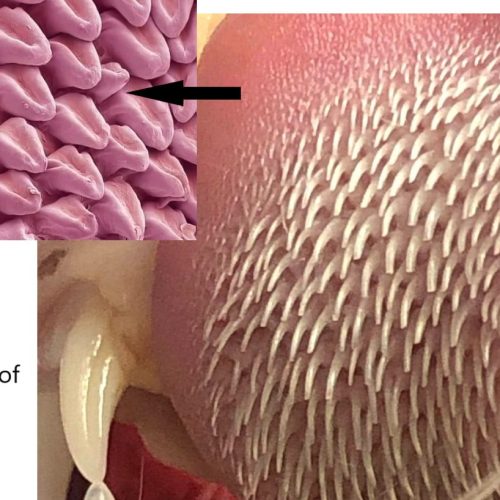
I confess that I’m confused. I have made the common-sense deduction that there are 2 different types of backward facing papillae on the domestic cat’s tongue. I have come to this conclusion for the following reasons. There are many photographs of the papillae on the cat’s tongue on the Internet. These are well-known images. …
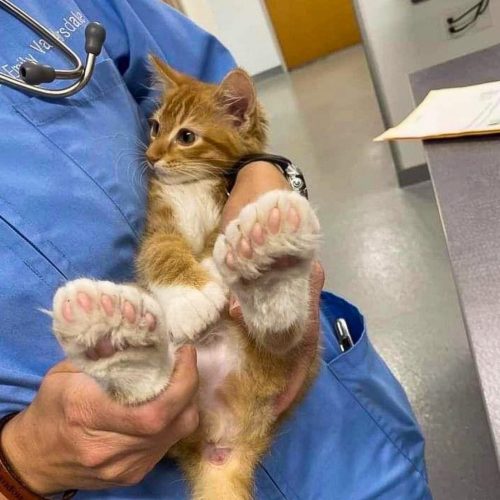
The photographer calls them ‘bonus beans’. And in case you’ve never heard it, the paw pads of domestic cats are called ‘beans’, particularly on polydactyl feet. This is a very organised and impressive set of beans. His feet remind me of the feet of lynx wild cats. There is a link to polydactylism and …
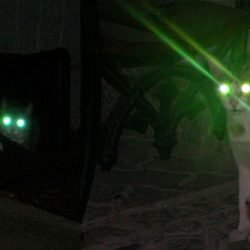
The human is a diurnal species of animal – the human-animal. “Diurnal” means active during the daytime. I am referring to the domestic cat which does not comfortably sit within the diurnal or nocturnal category of animals. They can be active at night and during the day but are more likely to be most …
Note: Some older videos on this page were hosted on Vimeo. That account has now been retired, so a few video blocks may appear blank. Thanks for understanding — there’s still plenty of cat content to enjoy!