Overview: The kodkod is, with the oncilla, the smallest wild cat in the Western Hemisphere and smaller than the average domestic cat. It is a spotted cat that inhabits montane and coniferous forests on the slopes of the Andes Mountains in Chile and Argentina. It feeds on rodents, lizards and birds and is classified …
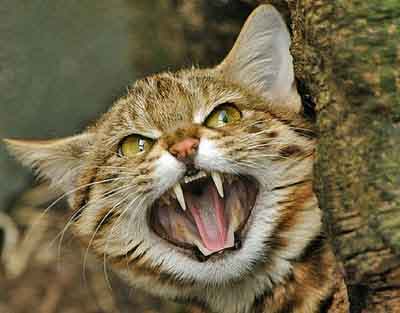
The Fierce Black-footed cat – is it? Yes, it definitely is. I was casually reading the March/April 2010 edition of the Feline Conservation Federation magazine and happened upon the article of Robert Johnson about tracking the Black-footed cat. Yes, this article has been checked and republished 12 years later. He was speaking to Beryl …
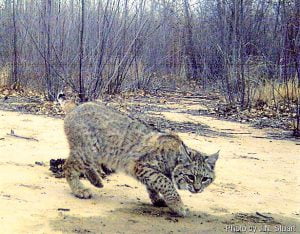
The Mexican bobcat is still considered a subspecies of the bobcat but perhaps a better description is “potential subspecies” because it is by no means certain that it is different or sufficiently different to the bobcat that is found in the United States and Canada. Members of one subspecies should differ morphologically or by …
There is a nice reference in Wikipedia to a purported ocelot-cougar hybrid. A mating of a puma and an ocelot can happen but in my travels over the internet you only see it happen in an artificial environment. You see it with captive cats managed by people who either deliberately facilitate mating between two …
OVERVIEW: Felis chaus is the scientific name for the jungle cat; a small wild cat species that has a passing similarity in appearance to the Abyssinian purebred cat. The coat is plain tawny grey and ticked. Its color varies slightly. It is found from Turkey to Cambodia – a very wide distribution. Its name …
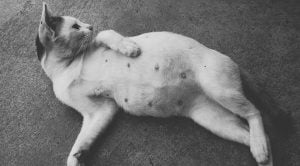
How long are cats pregnant? The answer depends on the type of cat. Here is a graph showing the domestic cat and some wild cats, medium and large and the differences in length of pregnancy: And here is the same information presented in the form of a table: Cat Ave. Length of Pregnancy (days) …
I feel that humankind is gradually approaching the time when we could argue that the inbreeding of some wild cat species might effectively extinguish them in the wild. Through human activity we have brought many wild cat species to their knees. The classic causes are habitat loss and direct persecution such as poaching for …
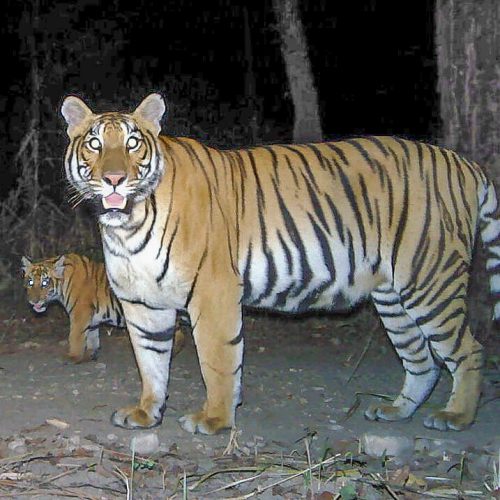
In 2009 I wrote that the endangered Bengal tiger in Nepal was heading towards extinction in the wild in that country. I was in despair and said that it was just one more sad, very sad, example of the general apathy we as a world have about the survival in the wild of our …
Note: Some older videos on this page were hosted on Vimeo. That account has now been retired, so a few video blocks may appear blank. Thanks for understanding — there’s still plenty of cat content to enjoy!